
Eco-friendly sofa restoration dubai
Your old sofa doesn’t need to end up in a landfill. Dubai residents are discovering that furniture restoration can be both environmentally responsible and cost-effective. Many people think buying new is the only option when their sofa looks worn out, but that’s not true.
I’ve been working with furniture restoration for years, and I see how much perfectly good furniture gets thrown away. The frame is usually fine. The springs work. Only the fabric and cushions need attention.
Eco-friendly restoration means using methods and materials that don’t harm the environment. It’s becoming more popular in Dubai as people realize the impact of furniture waste on our planet.
Why Choose Restoration Over Replacement
Think about your current sofa. If you bought it five years ago, the wooden frame probably cost more than you realize. Good quality frames last decades with proper care.
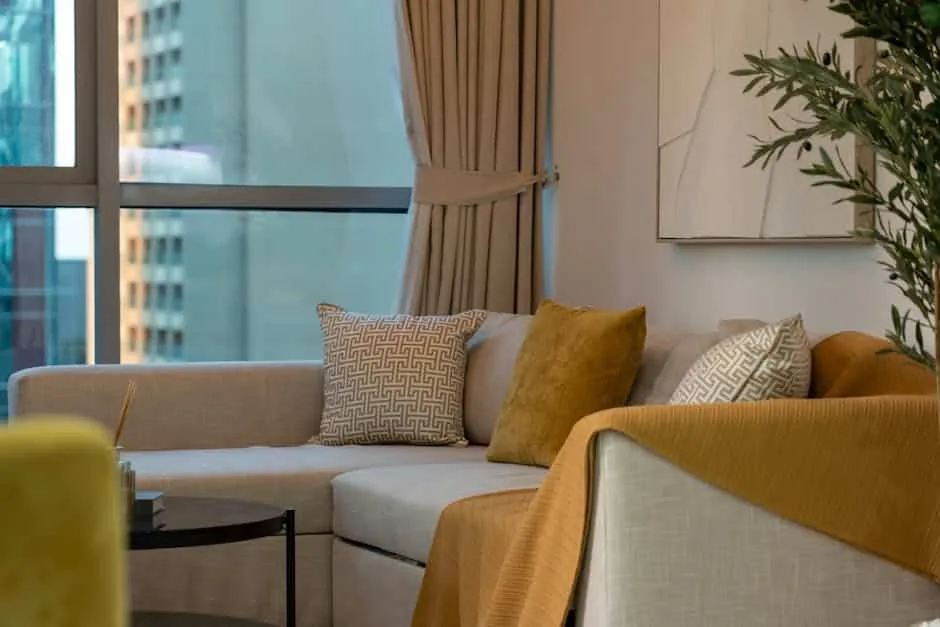
Manufacturing new furniture requires cutting trees, processing materials, and shipping products across continents. Your sofa restoration uses what already exists. The environmental difference is huge.
I worked on a villa in Jumeirah last month where the family wanted to replace their entire living room set. After inspection, we found the frames were solid hardwood. Only the fabric had faded from sun exposure. Restoration saved them thousands of dirhams and kept three large pieces out of the waste stream.
Dubai’s rapid construction means lots of furniture gets discarded during moves and renovations. Most of it could be restored instead.
Sustainable Materials for Upholstery
Not all Sofa upholstery fabrics are created equal. Some synthetic materials take hundreds of years to decompose. Others use harmful chemicals during production.
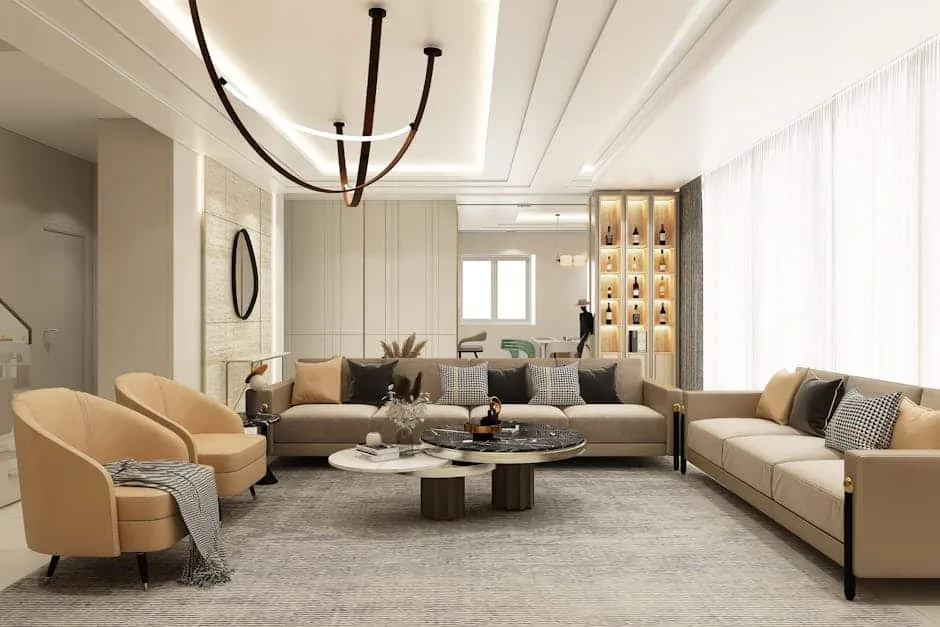
Natural fibers like cotton, linen, and wool break down naturally when they eventually reach the end of their life. Hemp fabrics are particularly durable and grow with minimal water requirements.
Recycled polyester fabric comes from plastic bottles and other waste materials. It performs well for heavy-use sofas and keeps plastic out of landfills. The texture feels similar to new polyester but with a better environmental story.
Organic cotton costs more upfront but doesn’t use pesticides during growing. For families with young children, this matters for indoor air quality.
Water-based adhesives and dyes produce fewer toxic fumes than traditional options. Your family breathes cleaner air, and factory workers face less chemical exposure.
According to the EPA, furniture accounts for over 12 million tons of waste annually in developed countries. Choosing sustainable materials during restoration helps address this problem.
Eco-Friendly Foam and Padding Options
Traditional foam cushions use petroleum-based chemicals and flame retardants that can release harmful compounds into your home’s air.
Soy-based foam offers a plant-derived alternative. It feels similar to conventional foam but uses renewable materials. The manufacturing process produces fewer greenhouse gases.
Natural latex foam comes from rubber trees and provides excellent support and durability. It costs more initially but often outlasts synthetic alternatives by years.
Recycled foam padding uses shredded foam waste compressed into new cushion cores. Performance varies depending on the source material, but it works well for back cushions and decorative pillows.
Coconut fiber (coir) provides firm support and naturally resists moisture and insects. Combined with other materials, it creates comfortable seating while using agricultural waste.
I recently restored a sectional sofa in Downtown Dubai where the owners specifically requested natural materials. We used organic cotton fabric with soy-based foam cores. The result felt just as comfortable as their previous synthetic setup, but they felt better about the environmental impact.
Restoration Techniques That Minimize Waste
Professional restoration involves careful disassembly to save as much original material as possible. Webbing, springs, and structural components often just need cleaning and minor repairs.
Pattern matching allows us to use fabric efficiently with minimal waste. Experienced upholsterers know how to lay out cuts to maximize usage from each yard of material.
Foam reshaping and layering can extend the life of existing cushion cores. Instead of discarding slightly compressed foam, we add layers or reshape it for different areas of the sofa.
Hardware like decorative nails, zippers, and wooden trim pieces can be cleaned and reused. These small components add up to significant waste when multiplied across thousands of restoration projects.
Proper disposal of unusable materials ensures they reach appropriate recycling facilities rather than general waste streams. Some synthetic fabrics can be recycled into insulation or other products.
The Circular Design Network promotes design approaches that minimize waste throughout product lifecycles, including furniture restoration.
Dubai’s Growing Eco-Conscious Market
Dubai residents are becoming more environmentally aware. The UAE’s sustainability initiatives and green building standards influence consumer choices in furniture and home improvement.
Apartment living in areas like Marina and JLT means people move frequently. Restored furniture is easier to transport and adapt to new spaces than buying completely new pieces.
The hot climate affects fabric choices. Natural fibers often handle humidity and temperature changes better than some synthetics, making them practical as well as environmental choices.
Villa owners in areas like Arabian Ranches invest in quality restoration because they view their furniture as long-term assets. Proper restoration maintains and increases the value of well-made pieces.
Corporate offices are also embracing sustainable furniture practices. Reception area seating and executive furniture gets restored rather than replaced, supporting company sustainability goals.
A recent project in Business Bay involved restoring reception seating for a consulting firm. They specifically wanted to demonstrate environmental responsibility to clients while maintaining a professional appearance.
Practical Steps for Eco-Friendly Restoration
Start with a thorough assessment of your sofa’s condition. Check the frame for damage, test the springs, and evaluate the foam compression. Many problems look worse than they actually are.
Research fabric options before making decisions. Visit showrooms to feel different materials and understand their properties. Natural doesn’t always mean better for your specific needs.
Ask restoration professionals about their material sourcing and disposal practices. Companies committed to sustainability will be happy to discuss their environmental policies.
Consider timing your restoration with other home projects to minimize disruption and transportation impacts. Coordinating multiple services reduces the overall environmental footprint.
Plan for proper care after restoration. Quality sustainable materials last longer with appropriate maintenance, maximizing the environmental benefits of choosing restoration over replacement.
Services like bestsofaupholsteryuae.com can provide detailed assessments to determine if restoration makes sense for your specific furniture.
Keep documentation of materials used and care instructions. This information helps with future maintenance and eventual end-of-life disposal decisions.
The UN Environment Programme emphasizes the importance of circular economy principles in furniture design and restoration.
Conclusion
Eco-friendly sofa restoration offers Dubai residents a practical way to reduce environmental impact while maintaining comfortable, attractive furniture. The process preserves valuable resources, reduces waste, and often costs less than replacement.
Sustainable materials and restoration techniques continue improving as consumer demand grows. What seemed like niche options five years ago now represent mainstream choices for environmentally conscious homeowners.
Your restored sofa can look and feel like new while supporting environmental goals. The key is working with professionals who understand both traditional restoration techniques and modern sustainable materials.
Making this choice contributes to Dubai’s broader sustainability initiatives while creating a healthier indoor environment for your family. Sometimes the most responsible decision is to work with what you already have.[:]