Upholstery for specific sofa styles dubai
Dubai homes have all kinds of sofas. Modern sectionals in downtown apartments. Traditional Arabic majlis seating in villas. Compact two-seaters in studio flats. Each style needs different upholstery work.
I’ve been working on furniture here for years. The thing is, you can’t treat a sleek modern sofa the same way you’d handle a classic Chesterfield. Different styles need different approaches.
Modern and Contemporary Sofas
Most Dubai apartments have modern sofas. Clean lines, simple shapes, usually with removable cushions. These are actually easier to work with than people think.
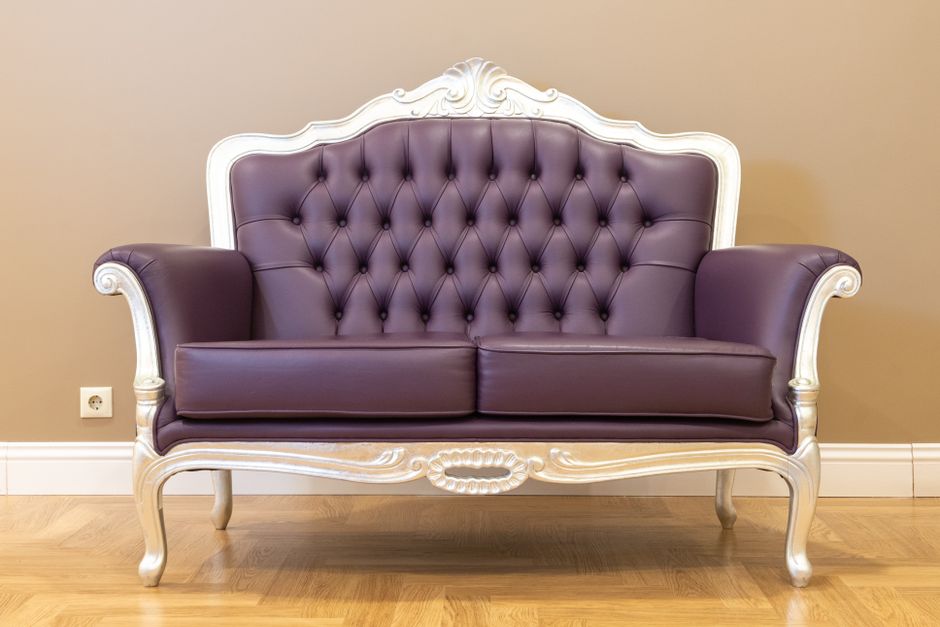
The frames are typically made of engineered wood or metal. Nothing fancy, but they do the job. When the fabric gets worn or stained, you don’t need to replace everything.
Modern sofas often have separate seat and back cushions. This makes fabric replacement straightforward. You can change just the cushion covers without touching the main frame.
For contemporary styles, neutral fabrics work well. Greys, beiges, and whites are popular here. The fabric choice depends on your lifestyle though. If you have kids or pets, go for something darker or with patterns that hide stains.
Synthetic fabrics like polyester blends hold up better in Dubai’s climate. They don’t absorb moisture as much as natural fibers. Cotton feels nice but can fade faster with all the sunlight coming through those big windows.
Traditional Arabic Majlis Seating
Traditional majlis seating is different from regular sofas. Low to the ground, long sections, lots of cushions and bolsters. This style needs special attention.
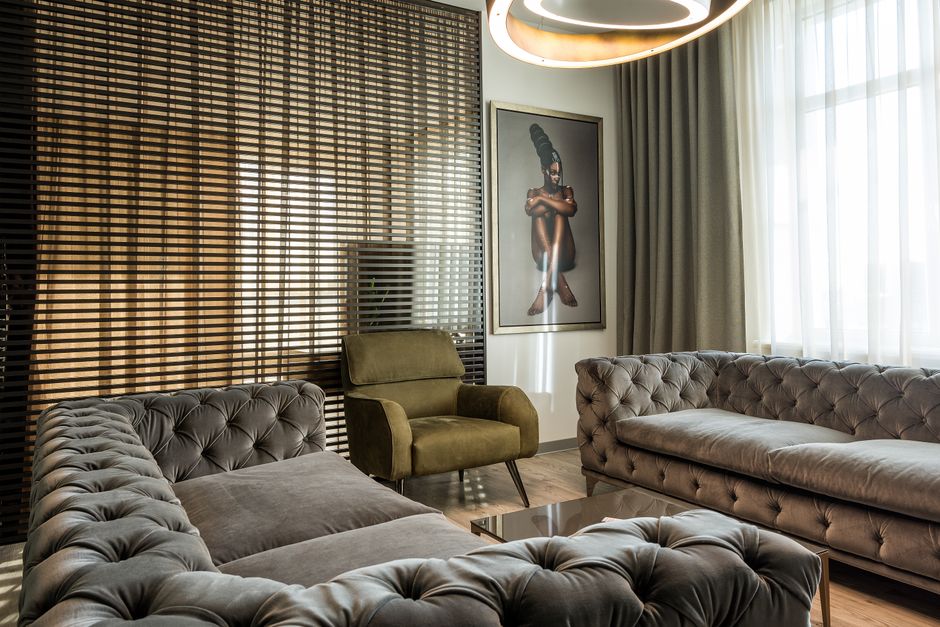
The upholstery process takes longer because there are more pieces. Floor cushions, back cushions, armrest bolsters, corner pieces. Everything needs to match and fit properly.
Majlis seating usually uses rich fabrics. Velvets, brocades, sometimes silk. These materials need careful handling. You can’t just throw them in any sewing machine.
Color matters a lot with traditional styles. Deep reds, golds, royal blues are common. The fabric often has patterns or embroidery that needs to line up correctly across all the pieces.
One challenge with majlis upholstery is the piping and trim details. These decorative elements take time to get right. But they make the difference between amateur work and professional results.
Sectional Sofas and L-Shaped Designs
Sectionals are everywhere in Dubai. They fit well in those open-plan living areas that most apartments have now.

The tricky part with sectionals is keeping everything consistent. You might have a three-seater, a chaise lounge, and a corner piece all connected. The fabric wear won’t be even across all sections.
Sometimes only one part needs new upholstery. The corner piece gets more use than the end sections. Or the chaise part where people put their feet gets worn faster.
When working on sectionals, I always check the connection points. The hardware that holds the sections together sometimes needs attention too. No point in having new fabric if the frame is wobbly.
Fabric choice for sectionals is important. You want something that will age evenly. Leather works well but can get hot in Dubai summers. Performance fabrics are becoming more popular – they resist stains and wear better.
Classic and Vintage Style Sofas
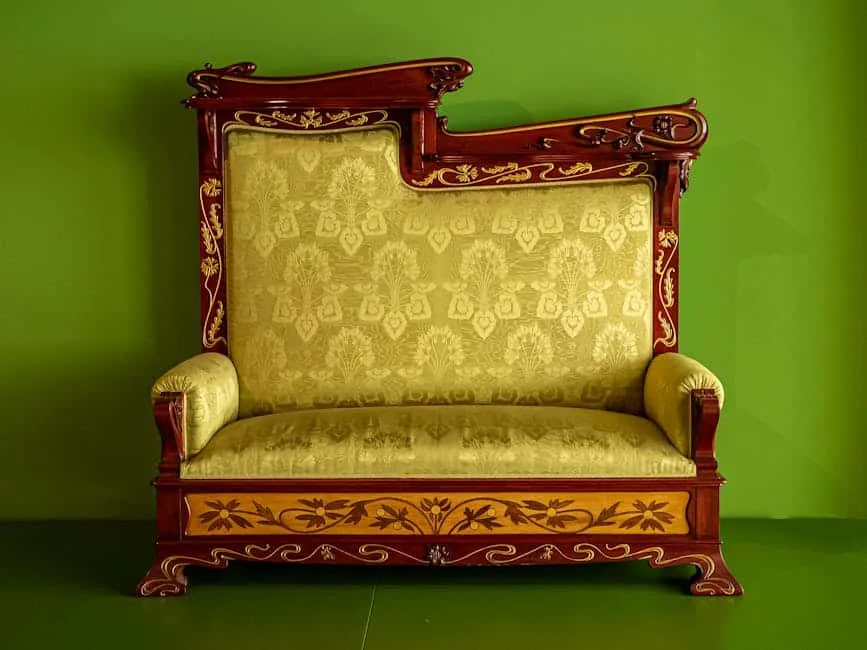
Some Dubai homes have classic furniture. Chesterfields, wingback chairs, Victorian-style pieces. These need different skills and materials.
Traditional upholstery uses springs and horsehair stuffing. Modern techniques use foam and synthetic materials. Both approaches work, but they feel different.
Classic sofas often have button tufting or nail head trim. This detail work takes patience. Each button needs to be placed exactly right. The spacing has to be perfect.
Fabric selection for vintage styles is more limited. You need materials that match the period look. Heavy cottons, linens, traditional patterns. Architectural Digest has good information about fabric choices for different furniture periods.
The frame construction in older pieces is usually better than modern furniture. Hardwood frames, proper joinery. When you’re redoing the upholstery, these frames can last for decades more.
Space-Saving and Convertible Sofas
Dubai apartments aren’t always spacious. Many people have sofa beds, futons, or other convertible furniture.
These pieces have moving parts and mechanisms. The upholstery needs to work with the folding action. Fabric can’t be too thick or it won’t fold properly.
Sofa beds get harder use than regular sofas. They’re furniture during the day and beds at night. The fabric needs to handle this constant changing.
Corner sofas with storage are popular too. The upholstery around the storage compartments needs careful measuring. You want the fabric to look good even when the storage is open.
For convertible pieces, I usually recommend fabrics that stretch a bit. This helps with the folding and unfolding without creating stress points that tear over time.
Working with Dubai’s Climate Considerations
Dubai’s weather affects upholstery choices. High humidity, dust storms, intense sunlight through glass walls. All of this impacts fabric performance.
Synthetic fabrics generally handle the climate better. They don’t absorb moisture like natural fibers do. This matters during the humid months when everything feels damp.
UV protection is important if your sofa sits near windows. Some fabrics fade quickly in direct sunlight. Solution-dyed fabrics resist fading better than piece-dyed ones.
Dust is another issue. Smooth fabrics are easier to clean than textured ones that trap particles. Microfiber and tightly woven fabrics work well for dusty environments.
Antimicrobial treatments are worth considering, especially for homes with children. These treatments help prevent mold and bacteria growth in humid conditions.
Conclusion
Each sofa style needs its own approach to upholstery. Modern pieces are usually straightforward – simple lines and removable cushions make the job easier. Traditional majlis seating requires more detail work and specialized fabrics.
Sectionals need careful attention to keep all pieces matching. Classic styles demand traditional techniques and period-appropriate materials. Convertible furniture has mechanical considerations that affect fabric choice.
Dubai’s climate adds another layer of considerations. Heat, humidity, and dust all impact how fabrics perform over time. Choosing the right material for your specific sofa style and living situation makes the difference between upholstery that lasts years and fabric that needs replacing quickly.
The key is matching the upholstery technique to your sofa’s design and your home’s needs. A good technician will inspect your piece and recommend the approach that makes sense for your specific situation. If you’re wondering about the sofa upholstery Dubai cost, it varies greatly based on the style, material, and complexity. For those seeking truly exceptional work, you’ll want to find the best sofa upholstery Dubai has to offer.